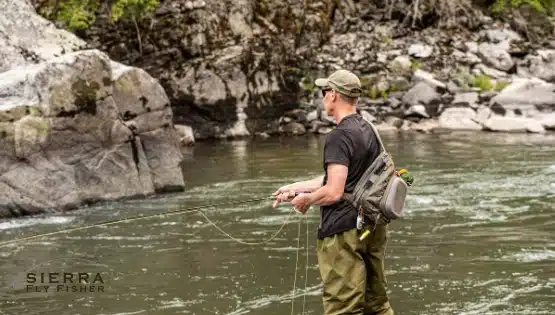

Ready to transform your fly fishing game and catch bigger fish?
Today we’ll show you how to use streamers to trigger aggressive strikes from predators like large trout and bass.
You’ll learn how to pick the right gear, cast effectively, and know when to use streamers. Get ready to make your fishing trips more successful and exciting.
Streamer Fly Fishing: Aggression & Tactics
Imagine yourself on the water, rod in hand, ready with your favorite streamer. You remember streamer fishing is more than just casting a line—it’s about strategy. With every cast, you’re actively animating your fly while trying to outsmart the river’s toughest fish.
The Thrill of the Hunt: Why Streamer Fishing is More Exciting
This isn’t bobber fishing, where you sit and wait. And as exciting as dry fly fishing and trout fishing generally are, this is a different sort of thrill. Dry flies offer the excitement of surface strikes and visual appeal, but streamer fly fishing can be even more exciting and action-packed.
It is considered by many anglers to be the most active form of fly fishing. You’re in control, using an active retrieve to make your fly move like prey or even a smaller rival to get aggressive fish to bite. It’s an engaging, exciting way to fish, where your skills make all the difference.
If you love a hard-hitting challenge, streamer fly fishing is the way to go. Because the strikes you trigger will either be from a large predator hunting prey, or a territorial fish viciously attacking a rival.
Behind every cast is a chance to land a trophy fish that you may not have using other methods. In the following sections, we’ll talk about where, when, and how to use streamers.

Streamer Patterns That Trigger Strikes
Choosing the right fly patterns can be the difference between a day filled with exciting catches and one full of disappointment. Streamers should be versatile, move naturally in the water, and closely mimic the local prey. Additionally, targeting big brown trout can be particularly effective using specific patterns.
Especially ones that create significant disturbances in the water (like a larger bait fish or an injured baitfish might). Choosing the right pattern significantly increases your chances of catching fish, especially when you understand water conditions and read the environment effectively. Let’s talk about that.
Match the Hatch – Subsurface Streamer Style
In the fly fishing world, it’s all about the art of deception. You’re tricking fish with a fly they think is their next meal. They come in a smorgasbord of shapes and sizes, each designed to mimic the local buffet of underwater critters
Here’s what streamers imitate:
- Minnows and small fish
- Smaller trout or bass (these often get the most aggressive strikes)
- Crayfish
- Leeches
- Tadpoles
- And more
Certain streamer patterns are heavy and designed to get your fly deep, and fast, making them effective for targeting fish in deeper water. And some are designed for shallow water. Streamer flies are versatile enough to be used in many different types of water. Take a look at the classic Muddler Minnow, for example. It’s a pretty solid pattern mimicking the slimy sculpin. But it can also mimic crayfish, leeches, grasshoppers, crickets, and more. The Woolly Bugger is another classic example of a versatile fly – it can imitate minnows, leeches, crayfish, and other forms of prey.
Pro-tip: When you’re fishing in clear water where the fish are easily spooked, sometimes the best thing is to use smaller, natural-colored streamers and retrieve them with subtle movements.
The Advantage of Articulated Streamer Flies
In streamer fishing, articulated flies can be a game-changer. These larger flies often boast:
- A more fluid, articulated design that enables realistic swimming motions
- Enhanced size
- Multiple hooks (where permitted, although not recommended due to fish mortality; multiple hooks on a fly are not allowed in Yosemite National Park and many other waters)
Their lifelike movements make articulated flies irresistible to big, predators like trout, smallies, and salmon and help anglers land larger fish.
When hunting for huge trout, trout streamers like Kelly Galloup’s Heifer Groomer can become a secret weapon. The realistic action of flies like this is especially effective in larger rivers and streams where big ger fish are most likely to strike. Learn more about Fly Fishing for Trout [Masterclass] here.

When & Where to Use Streamers for the Best Results
Figuring out the right time to toss streamers into the water isn’t about leaving it up to luck. It’s about knowing the best patterns to whip out at the best moments for maximum impact.
Fishing with streamers is particularly effective under several conditions:
- Low Light Conditions: Early morning, late afternoon, or cloudy days provide lower light levels, which reduce visibility and can make fish more likely to strike at moving targets.
- High Water Flow: During high water flow, the turbulent water conditions can dislodge prey, making game fish opportunistic and more likely to hit streamers. Typically being larger flies, streamers are also more visible to fish during higher flows and turbulent water.
- Fall Season: During the fall, especially before spawning, trout become more territorial and aggressive, making them much more likely to attack larger streamers.
- Targeting Big Fish: Streamers help you catch big fish, especially predatory fish like brown trout, which feed on smaller fish and attack smaller rivals. Streamers work well in waters where big fish hunt and fight for territory.
- Wherever Fish are Chasing Prey: If you notice fish actively hunting smaller fish or other prey streamers can mimic, tie on a streamer that most closely resembles the prey.
- Spring is a prime time for streamer fishing. After a long winter, fish are eager to bulk up and regain strength. They’re on the hunt for an easy and nutrition-dense meal, and young fish are plentiful. With streamers, you can tap into this seasonal feeding frenzy for some rewarding catches.
-
Slow Water Areas: Fish often conserve energy in slower water areas, such as the ends of tail outs, behind rocks, and slow seams adjacent to fast-moving water. These spots are ideal for targeting fish hiding and feeding with minimal energy expenditure.
Pro-tip: When you’re fishing shallow, clear water approach the water stealthily; keep a lower profile, keep your movement natural, smooth, and slow, and try to cast from a position where the fish can’t see you well).
Superior Spots for Streamer Success
Casting streamers well is a skill, a bit of know-how, and knowing the right spots to aim for. They can increase your chances of a good catch. Here are some practical places to target with your streamer:
- Undercut banks: In the spots where shadows cloak predatory fish, your streamer can offer an irresistible surprise to lurking fish.
- Stones: Behind boulders or large rocks that create natural ambush points for predatory fish.
- Amidst submerged logs or trees doubling as both shelter from aerial and aquatic predators and a prime spot for fish to ambush passing meals.
- Current Seams: Along seams of currents, where the convergence of different water speeds creates pockets of opportunity for fish to conserve energy while looking for their next snack.
- Deep Pockets: In deep water pockets where the bottom isn’t visible; that’s where bigger, more aggressive fish lurk because it’s great cover to ambush from, the temperature is more stable, the water is calmer, etc.
This is worth repeating: submerged structures like logs or fallen trees, are prime spots for targeting territorial fish. These areas provide the perfect setting to provoke defensive bites from fish protecting their territory and fish waiting to ambush prey.
Pro-tip: Fishing from a drift boat allows for smooth, long drifts of the fly, making it particularly effective for targeting fish in various environments.
Understanding the natural behavior of fish is fundamental when streamer fishing. Fish instinctively seek refuge from predators, including birds, other fish, and anglers. Submerged structures, such as logs or fallen trees, offer excellent cover for fish, providing them with a sense of security and an advantageous point from which to strike prey. These hidden underwater enclaves are perfect for your streamer to glide by, imitating a potential meal and tempting fish out of their lairs.
Streamer Strategies for Different Water Bodies
When you’re streamer fishing, the name of the game is adaptation. Tailor your tactics to the unique challenges of each aquatic environment. Using a floating line in shallow waters can provide better control of the fly’s depth, enhancing effectiveness against various fish species.
In deeper waters, employing a sinking line can significantly improve your chances of hooking fish by presenting your streamer deep, especially in challenging conditions. And there’s a big difference between fishing big water and small streams.
Small Stream Gamefish Behavior & Best Flies
In smaller streams or later in the season on larger waters, after flows have dropped and fish have been pressured in prior months, being subtle is often the key. Use lighter streamers and precise casting to prevent alarming the fish. It’s all about finesse—keeping movements minimal and your presence low-key to outsmart fish in these compact settings.
When using streamers in small streams, choose sizes that correspond with the local baitfish population (typically smaller patterns). This strategy can lead to catching unexpectedly large fish. Using subtle techniques in small streams can lead to catching more fish by ensuring that the fish are not spooked and are more likely to strike.
Some effective streamer patterns that can match the hatch for environments like this are:
- Wooly Bugger
- Muddler Minnow
- Cone Head Madonna/Zuddler
- Mickey Finn
- Zoo Cougars
To effectively utilize streamers in the confined spaces of small streams, fly fishers should focus on being discreet and accurate.
Big Water Gamefish Behavior & Best Flies
When fishing in large rivers and lakes, it’s crucial to have a clear plan for covering the area effectively. This means casting your streamer far and wide, trying to reach the spots where hungry trout are looking for their next meal.
In lakes, it pays off to cast your streamer where the big trout like to hang out, like near logs or the underwater ledges. These spots are where trout like to hang out—they offer cover and a good vantage point for ambushing prey, making them ideal for you to get your streamer in the game. And sometimes the big ones run deep. Using a sink tip fly line can help your streamer sink deeper in the water, to reach larger fish.
Streamers that may be ideal for big water areas include:
- Double Bunny: With its long, flowing profile, this streamer is perfect for imitating large baitfish.
- Circus Peanut: An articulated option that can provoke aggressive strikes from big fish.
- Tandem Streamer: A multi-hook streamer that provides a substantial profile in the water.
- Pike Bunny: Designed with pike in mind, its size and action are also ideal for large trout in big waters.
- Galloup’s Dungeon: Known for its ability to move water and attract attention with its large, articulated body.
- Boogie Man: This streamer has a reputation for catching monster trout, thanks to its enticing underwater action.
Did you enjoy this post? You’ll probably like these too:
- Best Fishing Spots for Trout in June [California Guide]
- When to Use a Dry Fly vs a Wet Fly & Key Differences
- Why Fly Fish? It’s Nature’s Therapy
- Mastering the Art: The Best Ways to Match the Hatch
- Best Fishing Trips in the US to Put on Your Bucket List

How to Cast Heavy Streamers
Casting heavy, weighted streamers is more than just tossing your line out there. It’s about making every cast count; getting your fly where it needs to go without scaring off the fish.
- When casting, slow down and widen your loops.
- Make sure to avoid sudden changes in direction.
- As soon as your fly hits the water, give your line a quick little tug to get it sitting just right.
- Getting your fly to drop right in front of the fish hiding in ambush is key.
By the way, when it comes to rods, generally, most people end up using a 6wt for smaller streamers, and an 8wt for larger streamers (over 3″).
How to Bring Your Fly to Life
Streamer fly fishing, like other forms of flyfishing, is all about working the water properly. You give the fly life, moving it through the currents as naturally as possible, using different techniques.
- Sometimes quick and sharp is the right recipe.
- Quick, sharp tugs on the line can make your streamer look like a small fish darting away from predators.
- Experiment with strips and pauses – Mix in erratic, unpredictable movement by varying the length and speed of your strips, mimicking a panicked or disoriented prey.
- Sometimes, a slower approach works best.
- Steady pulls can make your streamer look like an easy meal, like a wounded or dying fish, tempting a fish to bite.
- Have you ever seen an injured or dying fish on the surface? Mimic that “long pause then flop/twitch/struggle” to mix up quick and sharp with slow and steady.
- Complex articulated flies and big flies with long tails can help provide the extra movement you need to entice a strike.
-
A slight twitch of the rod tip can add subtle movement to make your streamer pulse and flutter like real prey.
You want to mix things up to find the retrieve or motion that’s drawing strikes. And throwing in some random twitches and pauses to catch the attention of curious fish can work well too. Often, you’ll have to experiment to find what works best for the conditions you’re facing.
Remember, baitfish and other prey rarely move or flee predation in a straight and predictable manner; get erratic, and if they refuse to bite, keep switching it up until lightning strikes!
Hook Setting & Fighting Techniques
Mastering the art of hook setting and battling larger fish is crucial in streamer fishing. When you hook a big one, side pressure is your best friend. Keep your rod tip low, skimming the water’s surface to stay in control. Consistent tension is key—any slack could mean losing your prize catch. But too much tension will result in a broken line. So balance between tension and letting the drag out is key.
The Art of the Strip Set
The strip set is a technique you can’t ignore when you’re fishing for large gamefish like brown trout, lake trout, and salmon. It’s about pulling the line sideways with just the right mix of force and finesse. To get that hook firmly in the fish’s mouth, you’ve got to master the balance of speed and direction.
Getting good at the strip set takes practice, but it’s a critical skill for streamer fishing success.
Winning the Battle
Once you’ve got a fish on the line, your reel needs to match the challenge. A smooth drag system is non-negotiable—you need it to keep a large, struggling fish in check.
Streamer anglers often opt for disc drags or sealed drag systems for their reliability and easy maintenance. These systems help ensure smooth performance under the pressure of a big fish’s escape attempts.

Honing Your Skills With Sierra Fly Fisher
Streamer fly fishing is an awesome method for targeting big fish. It challenges you to master different casting and retrieving techniques, which can be rewarding for both seasoned anglers and beginners. If you’re looking for a fresh approach to flyfishing, streamer fishing is definitely worth a try, and we can show you how.
At Sierra Fly Fisher, we offer a variety of experiences to suit every angler’s needs. Whether you want to refine your skills with a guide, learn the basics, or simply enjoy a day on the water with friends or family, we’ve got you covered. Experience the beauty of the iconic Yosemite rivers, San Joaquin River, Kings River, and more.
With over 30 years of guiding fly fishing adventures, our guides are dedicated teachers who tailor their approach to each angler’s skill level, ensuring everyone leaves with a deeper understanding. For more information or to book a fishing trip, don’t hesitate to contact us. We’d love to help you take your streamer fishing skills to the next level.