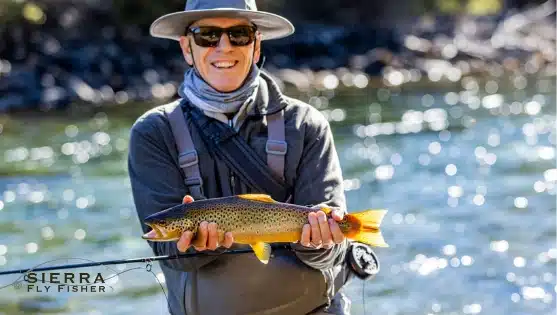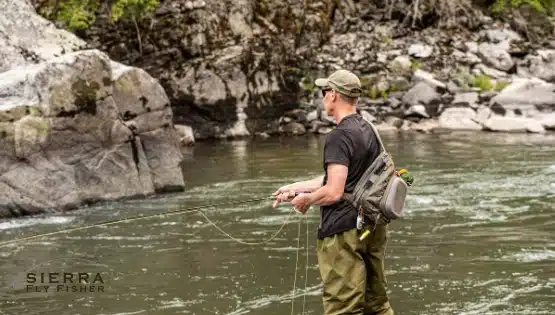

There’s a reason so many people find peace standing in a river with a fly rod in hand. Fly fishing has a way of quieting the mind and connecting you with nature. The focus it takes to cast, the sound of moving water, and the time outdoors all work together to lower stress. Not to mention that there’s something deeply and primally satisfying about it.
It’s more than just a hobby. For a lot of people, it’s how they clear their head and deal with what life throws at them. Fly fishing can help ease anxiety, build self-confidence, and get you through tough times. It’s not necessarily about how many fish you catch, though that never hurts; it’s about getting out in the beauty of Nature, slowing down, and reveling in the present moment.
It doesn’t fix everything, but there’s something in the rhythm of casting, the quiet moments, and being surrounded by nature. That’s what draws people back.

The Calming Effect of Fly Fishing
Fly fishing isn’t just a way to relax; it’s an active practice that pulls you into the moment. Time outside and the repetitive motion of casting have been shown to lower cortisol (your body’s main stress hormone) and help the brain shift out of fight-or-flight mode.
At the same time, it demands focus. Tying a fly, reading the water, and placing your cast require your full attention—no distractions from phones or screens. You’re fully engaged, not checked out.
It’s not always smooth. You’ll mess up a cast or lose a fish. But you figure it out, adjust, and keep going. That kind of patience sticks with you, on the water and off.
For more on how fly fishing impacts mental health, check out this research study from Harvard Medical School: Fly-Fishing and the Brain.
How Fly Fishing Builds Confidence
Fly fishing teaches you real skills that make you more self-reliant and resourceful in one of the most fundamental ways. Having the ability to walk up to a body of water and pull out fresh, life-giving meat will naturally boost the self-confidence of even the most catch-and-release angler out there. Spend some time fly fishing, and before you know it you’ll learn to read the water, find spots where fish hang out, and figure out what bugs they’re eating. And if you take it the extra mile, you’ll even learn how to tie your own flies.
When you get it right, and the cast lands just where you want, the fish takes your fly, and you play the fish skillfully to win the fight of a lifetime—it hits different. It’s not luck or chance; it’s your skill and patience paying off.
Not to mention, there’s something different about catching your own food. Knowing it came from your skill and effort, not a store shelf. It’s a raw, real connection to nature and what it takes to provide. That feeling sticks with you. Figuring out what works, fixing problems on the water, and sticking with it, it all builds confidence and self-reliance. Fly fishing can teach you to trust yourself and respect the process.

Community and Camaraderie
Fly fishing isn’t always a solo sport, but it definitely can be if you want it to. Some days, there’s nothing better than the quiet focus of fishing alone. Other times, having a buddy along for the trip just makes the day better.
Being out on the water naturally brings people together. Whether you’re swapping tips, helping with a tricky cast, or sharing a laugh during quiet moments, camaraderie builds itself. How often do fellow anglers passing by ask if you’ve had any bites? It happens all the time. You see what we mean.
Fishing with a friend has its perks. You learn from each other, can spot fish more easily, have someone to share the highs and lows with, not to mention all the memories made. Those moments—missed strikes, deep conversations, landing a PB together—often stick with you longer than the fish you catch alone.
If you want to connect even more, there are plenty of other ways to connect with anglers. Local fly fishing groups and programs are a good place to start. Or take a guided trip through Sierra Fly Fisher. It’s a great way to explore new waters, learn from experienced guides, and enjoy the camaraderie that comes with fishing together.
Physical and Mental Health Benefits
Fly fishing gets you moving without feeling like a workout. Walking the riverbank, wading through water, and casting all day works your legs, shoulders, and arms in a steady, manageable way. You’re outside, breathing fresh air in a beautiful and relaxing environment, soaking up some sun, and using your body without even hitting the gym.
It does your head good too. Fly fishing demands your full focus, pulling you away from the daily grind and clearing your mind. The steady rhythm of casting and the sound of flowing water work together to ease stress and calm your thoughts. For many guys, it’s one of the rare times their phone stays tucked away and their mind finally slows down, offering a genuine sense of peace and being fully present.
With that said, there is a time and place for the phone – mainly BEFORE you start fishing. The Best Fishing Apps & Fly Fishing Apps here.

Therapeutic Fly Fishing Programs
If you want more from fly fishing than just time on the water, there are programs designed to combine fishing with supportive mental health services. These group outings blend time in nature with community and peer connection, giving participants a chance to focus, learn, and reset in a positive environment.
Project Healing Waters is a non-profit for veterans. Since 2005, it’s been helping injured and disabled veterans get out on the water, learn the craft of angling, and find a community. For some, that connection to a natural environment makes all the difference.
Rivers of Recovery offers similar programs across the country. They combine hands-on fishing with time in nature and peer support. For a lot of vets, it’s a way to slow down, reconnect, and pick up a hobby that sticks with them long after the trip’s over. Whether you’re casting for trout or simply taking a breath by the river, these programs can help foster community, reduce stress, and help provide rehab services to physically and psychologically injured U.S. combat veterans.
Wrapping It Up
Fly fishing isn’t just about catching fish. It clears your head, builds skills you’ll carry for life, and offers a chance to connect with nature, with others, or simply with yourself.
It’s a way to slow down, step away from the noise, and focus on something real. Whether you fish alone or with friends, time on the water gives you space to reset and recharge, which is a big part of the experience, naturally promoting wellness and improved mental health.
It’s something that stays with you long after you leave the river.
Did you enjoy this post? You’ll probably like this one too: Where to Fly Fish: 4 Steps to Find the Best Spots Nearby

Take the Next Step with Sierra Fly Fisher
Ready to see what fly fishing can do for you? At Sierra Fly Fisher, we guide anglers of all skill levels to some of the most productive trout waters—primarily across California, but also beyond.
From Yosemite’s Upper Tuolumne and Merced Rivers to the remote San Joaquin, Kings, and Kaweah, our guides know these spots inside and out. Want something deeper? Our Wild Trout Camp is a multi-day trip on the San Joaquin River with comfortable lodging at Mono Hot Springs. And for those who don’t want the season to end, we offer winter steelhead trips too.
You’ll get expert guidance and the space to unplug and recharge, on whichever trip you choose.
Explore our trips here and find the perfect adventure for you.